Preventive Dental Care Tips For Every Age
Healthy teeth shape how you eat, speak, and feel. You deserve a mouth that does not hurt and a smile you trust. This blog gives clear steps you can use at every age to prevent pain, infection, and costly treatment. You will see what to do at home, what to ask at visits, and when to get help fast. Children, adults, and older adults all need different care. Yet the goal stays the same. You keep your teeth strong and your gums calm. You will learn brushing and flossing habits, smart food choices, and warning signs you should never ignore. You can share these tips with your family, caregiver, or dental team. For more support, you can also visit dentistsofhinsdalelake.com for guidance. Small daily actions protect your health, your money, and your sense of control. You can start today, no matter your age.
Why preventive dental care matters
Tooth decay and gum disease are common. They cause pain, missed school, missed work, and high bills. They also link to heart disease, diabetes, and pregnancy problems. You lower those risks when you keep your mouth clean and see a dentist on a set schedule.
According to the Centers for Disease Control and Prevention, cavities are one of the most common chronic diseases in children. They affect adults at high rates as well. You can read more data from CDC at https://www.cdc.gov/oralhealth/conditions/index.html.
Core habits for every age
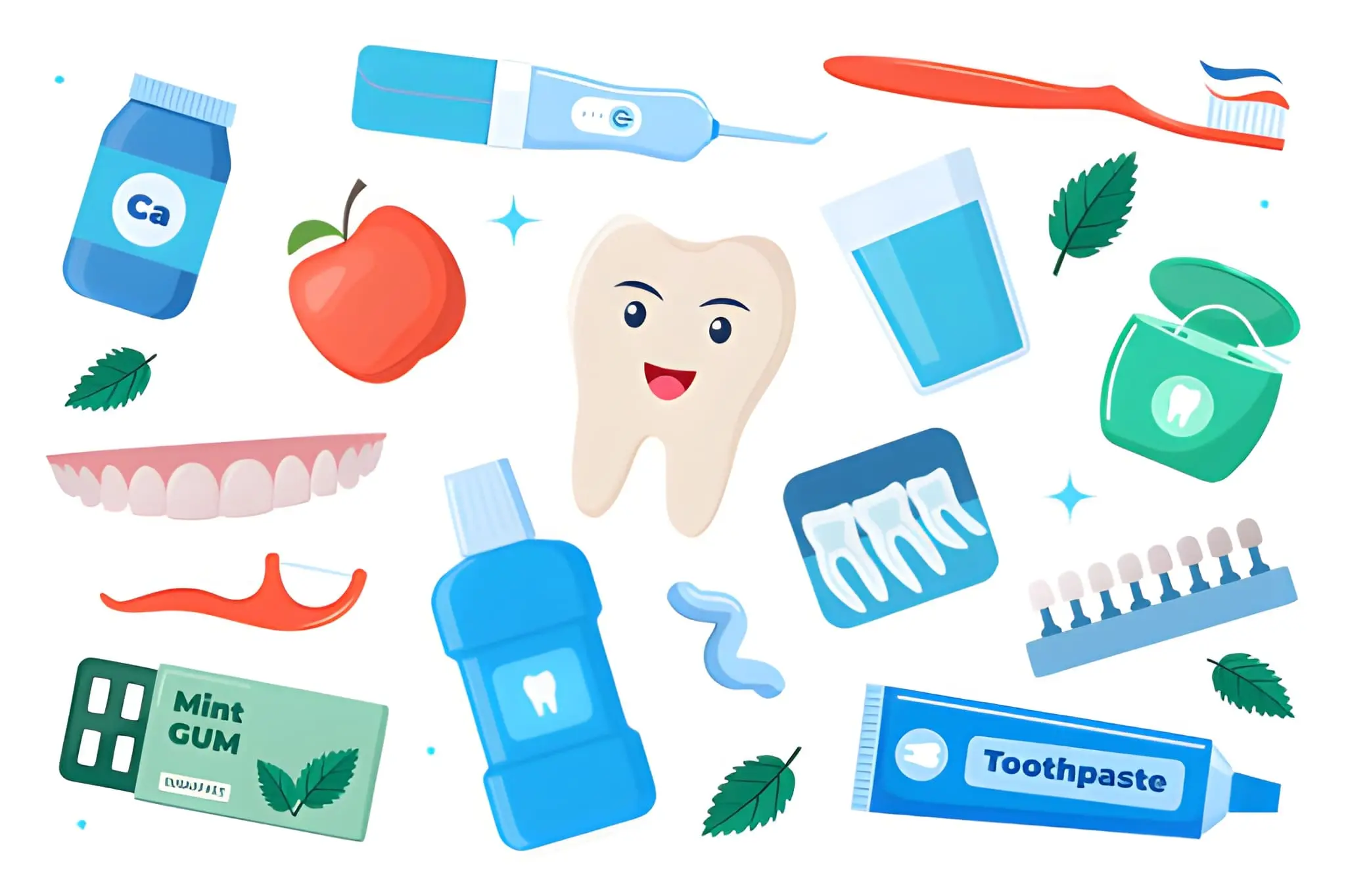
Three daily habits protect your teeth and gums at any stage of life.
- Brush twice a day with fluoride toothpaste
- Clean between teeth once a day
- Limit sugary food and drinks to mealtimes
You also need regular checkups. Most people do well with a visit every six months. Some people need care more often. Your dentist will guide you.
Daily care tips by age group
Babies and toddlers
- Wipe the gums with a clean, damp cloth after feedings
- Start brushing as soon as the first tooth appears
- Use a smear of fluoride toothpaste the size of a grain of rice
- Do not put a baby to bed with a bottle that has milk or juice
- Offer water between meals once your child can drink from a cup
- Schedule the first dental visit by age 1 or within 6 months of the first tooth
Children and preteens
- Brush twice a day for 2 minutes with a pea size of fluoride toothpaste
- Help or watch your child brush until at least age 8
- Begin flossing once teeth touch
- Ask about fluoride varnish and dental sealants for back teeth
- Limit juice and sports drinks. Offer water and milk instead
- Use a mouthguard for contact sports
Teens and young adults
- Keep the 2 minute brushing habit morning and night
- Floss or use interdental brushes every day
- Watch energy drinks, soda, and sweet coffee drinks
- Do not share toothbrushes or mouthguards
- Ask about wisdom teeth and check for crowding or pain
- If you use tobacco or vape, talk to your dentist about help to quit
Adults
- Use a soft bristle toothbrush and fluoride toothpaste
- Clean between teeth daily with floss, picks, or a water flosser
- Schedule regular cleanings and exams
- Tell your dentist about all medicines, including over the counter ones
- Use fluoride mouth rinse if your dentist suggests it
- If your mouth feels dry, sip water and ask about saliva substitutes
Older adults
- Keep brushing twice a day even if you wear dentures or partials
- Clean dentures every day and remove them at night
- Use fluoride toothpaste or prescription fluoride if advised
- Ask for help if you have trouble gripping a toothbrush
- Watch for sores, white patches, or lumps in your mouth
- Talk with your dentist about bone loss and gum disease
Comparison of preventive care by age
| Life stage | Main focus | Fluoride use | Dental visit timing |
|---|---|---|---|
| Babies and toddlers | Protect new teeth and stop bottle decay | Smear of fluoride toothpaste. Professional varnish as advised | First visit by age 1 |
| Children and preteens | Build strong habits and protect back teeth | Pea size of fluoride toothpaste. Sealants and varnish as advised | Every 6 months or as directed |
| Teens and young adults | Control sugar and manage crowding or braces | Fluoride toothpaste. Rinse for high risk patients | Every 6 months or more often with braces |
| Adults | Prevent gum disease and tooth loss | Fluoride toothpaste and possible prescription products | Every 6 to 12 months based on risk |
| Older adults | Protect remaining teeth and support comfort | High fluoride toothpaste or gels if advised | Every 3 to 12 months depending on health and dentures |
What to ask at your dental visit
To get the most value from each visit, you can ask three clear questions.
- What do you see that worries you right now
- What can I change at home to lower my risk
- How often should I come back based on my mouth, not my age
The National Institute of Dental and Craniofacial Research offers more guidance on questions and oral health topics at https://www.nidcr.nih.gov/health-info.
Warning signs you should not ignore
- Tooth pain that lasts more than one day
- Bleeding gums when you brush or floss
- Bad breath that does not clear with brushing
- Loose teeth or change in how your teeth fit together
- Sores that do not heal within two weeks
- Swelling in your face, jaw, or neck
If you see these signs, call your dentist. Do not wait. Early care often means less pain and lower cost.
Turning small steps into a lifelong habit
You keep your mouth healthy with three moves. You clean your teeth every day. You watch what you eat and drink. You show up for regular checkups. When you repeat these steps year after year, you protect your teeth at every age and reduce fear and regret. You also set a strong example for the people who watch you, especially children. That quiet example may be the most powerful dental treatment they ever receive.
Also Read-How Pediatric Home Health Care Empowers Families and Caregivers