How to Sell Your House Quickly Without an Agent
Key Takeaways:
- Understand the benefits and challenges of selling your home without a real estate agent.
- Learn effective strategies to market and price your property competitively.
- Discover legal considerations and alternative selling options to expedite the process.
Table of Contents:
- Why Sell Without an Agent?
- Preparing Your Home for Sale
- Pricing Your Home Competitively
- Marketing Strategies for FSBO
- Legal Considerations and Paperwork
- Negotiating with Buyers
- Alternative Selling Options
- Final Thoughts
Why Sell Without an Agent?
Selling your house on your own, often referred to as For Sale By Owner (FSBO), is a path many homeowners take to keep more of the profits from their home sale. Without the help of a traditional real estate agent, you can avoid paying hefty commission fees, which can result in savings of thousands of dollars. If you’re looking for a fast, direct sale, connecting with an established home buyer like https://www.webuyhousesokcmetro.com/ could streamline the process even further.
However, navigating the sale yourself means you’re responsible for everything from marketing to negotiations to paperwork, a process that can be time-consuming and, at times, overwhelming. Homeowners who choose this route should be prepared to invest both energy and creativity into every step of the transaction to maximize their results and minimize delays.
Competition in most real estate markets means buyers are often savvy and expect homes to be priced competitively and presented professionally, even in an FSBO scenario. Since exposure is typically less than you’d achieve with an agent, your marketing and pricing strategies must be especially sharp to generate interest and secure offers quickly. Still, the financial incentive makes FSBO an appealing choice, especially for sellers who have already purchased their next home or those who need a quick sale for relocation or financial reasons.
Preparing Your Home for Sale
Curb appeal and first impressions play pivotal roles in how quickly your home sells. Begin by decluttering and depersonalizing each room. Buyers should be able to picture themselves living in the space, and that’s easiest when decorative distractions are minimized. Guidance from experts at Revive Real Estate can help identify which personal items or excess furniture to remove to create the illusion of larger, more inviting rooms.
Next, address minor repairs that could raise red flags during showings. Fix leaky faucets, squeaky doors, chipped paint, or any visible damage. These little fixes signal to buyers that you’ve cared for the property and reduce the likelihood of objections or lowball offers during negotiation.
Don’t overlook your home’s curb appeal. Landscaping, fresh mulch, trimmed hedges, or even a new mailbox can make your house stand out from others on the block. If your front door looks worn, repainting it a welcoming color is an inexpensive way to boost appeal. Well-maintained exteriors create anticipation for what buyers hope to find indoors.
Pricing Your Home Competitively
Setting a strategic price requires research and a touch of realism. Start with a Comparative Market Analysis (CMA) by reviewing recent sales for homes similar in size, age, and location to yours. Local sales data can usually be found on websites such as Realtor.com or through your county assessor’s office.
Hiring a professional appraiser, which typically costs between $300 and $500, can offer an objective perspective that protects you from pricing errors. Accurate pricing drives interest, and in today’s fast-paced housing market, a competitively priced home can attract multiple offers even above the asking price. “Chasing the market” with a high initial price often results in price drops and delayed sales.
Marketing Strategies for FSBO
Marketing your home begins with high-quality photography. Professionally staged photos and video tours can be the difference between getting noticed and being overlooked, especially online. Most buyers begin their home search online, and well-lit, inviting images are proven to generate more inquiries.
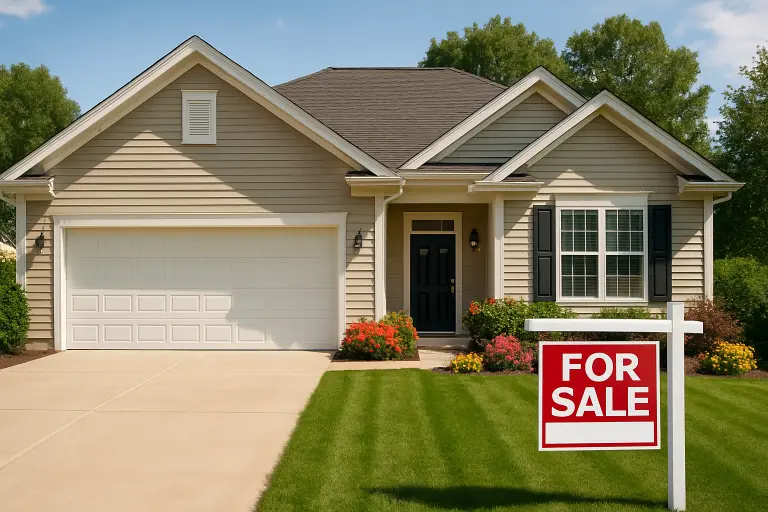
Post your listing on large real estate platforms like Zillow and local Facebook groups for maximum exposure. Include all key information about the home, emphasizing its best features and recent upgrades. Traditional methods like “For Sale” yard signs with clear contact details and printed flyers distributed in your neighborhood still work exceptionally well.
Legal Considerations and Paperwork
Every sale requires several legal steps and forms. Most states require you to provide buyers with accurate property disclosures that detail any known problems with the house. Failure to disclose could result in legal headaches after closing. The purchase agreement, which outlines all terms, contingencies, and timelines, is another critical document, often templated and available from state real estate boards.
Utilize a local title company for closing to ensure there’s a clear transfer of ownership and that all liens are satisfied. Consider hiring a real estate attorney, especially if you’re unfamiliar with contract language or local compliance requirements. Experienced legal counsel will protect you from common mistakes and help avoid invalidating the sale.
Negotiating with Buyers
The negotiation phase can be the most stressful part of FSBO, but it’s also where you can gain the most value. Go into discussions with an understanding of what motivates the buyer. Are they relocating for work? Do they need a fast closing? Use this knowledge to shape your negotiation strategy.
While it’s important to be flexible on minor details, always know your bottom line and stand firm to maximize your net proceeds. Consider offering perks like paying closing costs or including appliances to sweeten the deal and close quickly.
Alternative Selling Options
If FSBO feels overwhelming, there are intermediary solutions that still keep costs down. Flat-fee MLS services allow you to pay a one-time fee to list your property where agents shop, increasing exposure while you retain control over communications and negotiations. For those needing a fast sale, cash buyers or investors will purchase homes as-is and close quickly, though usually at a slightly lower price.
Weigh these alternatives carefully. Each has advantages and trade-offs in terms of speed, control, and total profit from your sale.
Final Thoughts
Successfully selling a home without an agent can yield significant financial rewards if you are prepared to do the groundwork. By understanding the process, preparing your property, setting the right price, and employing thoughtful marketing and negotiation tactics, you can achieve a successful, speedy FSBO sale. Carefully consider your timeline, goals, and comfort level with legal and financial responsibilities to ensure you pick the path best aligned with your needs.
Also Read-Technical SEO Audit Checklist for Service Businesses