How to Maximize Energy Efficiency in Your Home
Improving energy efficiency can help lower monthly bills and make your home more comfortable. It means using less energy without giving up the heating, cooling, lighting, or daily comfort you need.
You do not have to change everything at once. Small upgrades can make a real difference over time. Better insulation, smart temperature control, regular system care, and efficient appliances can all help your home use energy in a smarter way.
Continue reading to discover everything you need to know!
Improve Insulation Around Your Home
Good insulation helps keep indoor temperatures steady. In winter, it helps keep warm air inside. In summer, it helps block outside heat.
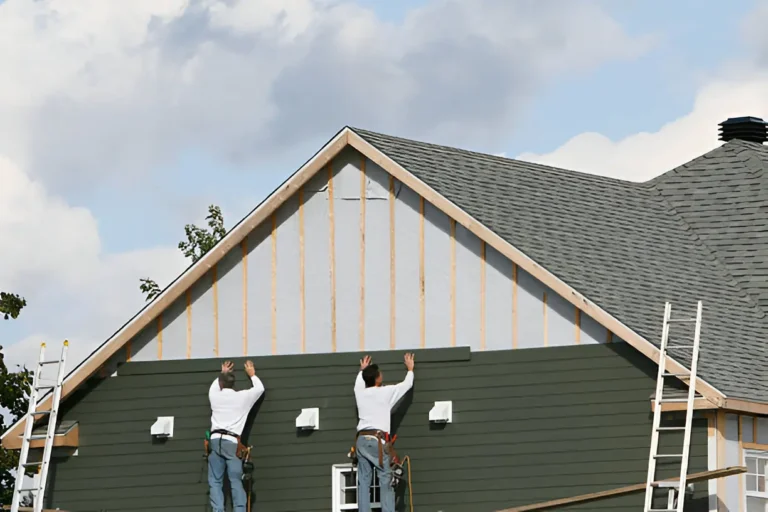
The attic is one of the first places to check. Poor attic insulation can allow a lot of heat to escape. Walls, basements, and crawl spaces may also need attention.
Look for drafts around windows and doors too. Small gaps can let heated or cooled air escape. Weatherstripping and caulk can help seal some of these areas.
These simple fixes may improve comfort without costing too much. If you are not sure where energy is being lost, a home energy review can help identify problem areas.
Use Heating and Cooling Systems Wisely
Heating and cooling often use a large share of household energy. A few simple changes can help your system work more efficiently. A programmable or smart thermostat can adjust temperatures based on your daily routine.
Lowering the heat when you are away or raising the cooling setting a little can reduce energy use. Regular maintenance also matters. Dirty filters, blocked vents, and worn parts can make a system work harder.
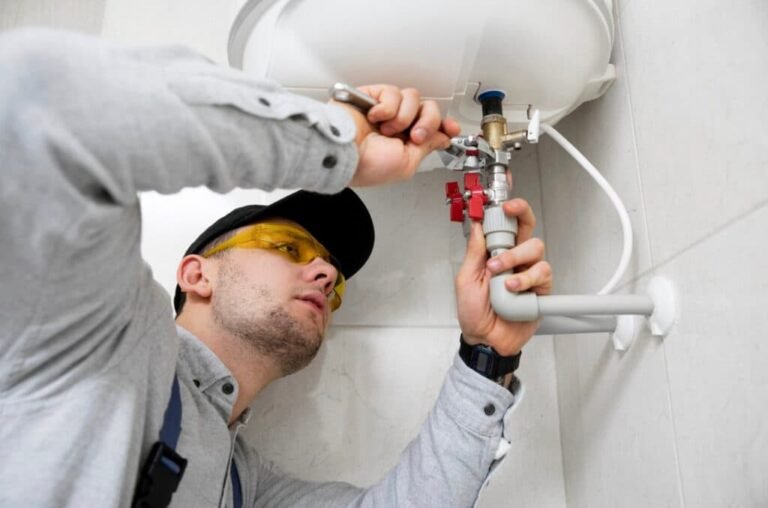
Homeowners reviewing local options for plumbing and heating services may also want to ask about system checks, energy use, and possible upgrades. Good airflow helps the whole system work better. Keep vents clear of furniture, rugs, and other objects.
Choose More Efficient Appliances
Older appliances can use more energy than newer models. When it is time to replace one, compare energy use before buying. Look at refrigerators, dishwashers, washing machines, dryers, and water heaters.
Energy-efficient models may cost more at first, but they can help lower utility use over time. You can also save energy without replacing everything.
Try simple habits such as:
- Run full laundry loads
- Use cold water when possible
- Turn off unused lights
- Unplug rarely used devices
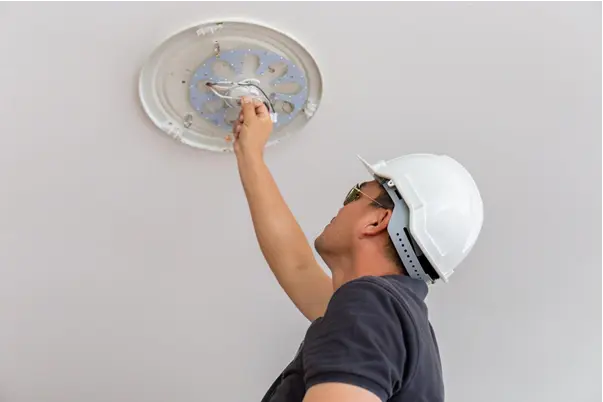
- Use LED light bulbs
Small habits can add up across the year.
Reduce Waste With Better Daily Habits
Energy efficiency is not only about equipment. Daily habits can also make a difference. Keep curtains open on sunny winter days to bring in natural warmth, and close them during hot summer afternoons to block heat.
Turn lights off when leaving a room. Use natural light when possible. Avoid setting the thermostat too high or too low, as large temperature changes can force the system to work harder.
Water use matters too. Shorter showers and fixing leaks can reduce the amount of energy needed to heat water.
Start With Small Energy-Saving Changes
You do not need a full home renovation to improve energy efficiency. Start with small steps that fit your budget and daily routine. Check insulation, improve thermostat settings, maintain heating and cooling systems, and use appliances carefully.
These changes can help reduce waste, improve comfort, and lower energy costs. Choose one area of your home to improve today and build from there. A few practical changes can lead to better energy use for years to come.
Did this guide help you? Check out the rest of our site for more!
Also Read-Technical SEO Audit Checklist for Service Businesses