
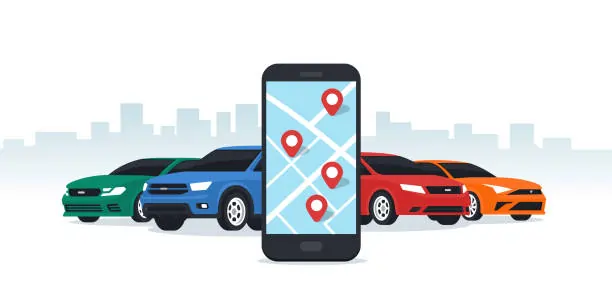
Car Rental vs. Ride-Sharing: Which Is Better for Your Next Trip?
Planning a trip often means making one of the first big decisions around transport: should you book a rental car, or rely on ride-sharing for your travels? Both options promise freedom, convenience, and mobility, but depending on where you’re going and what you plan to do, each brings different advantages (and drawbacks).
In this post, we’ll walk through what each option really means, when you might prefer one over the other, and how to decide, with cost, convenience, environmental impact and your travel style in mind.
What Is Car Rental?
Car rental refers to the traditional model of hiring a vehicle from a rental agency (or peer-to-peer rental platform) for a set period, from a few hours to a day, several days, or even weeks. You pick up the car yourself (often at an airport or city depot like Christchurch Airport, for example), drive yourself around, and return the vehicle at the end of your rental period.
With a rental car, you call the shots: you choose the vehicle type, luggage space, how often you drive, where you go, and when. It’s particularly suited to extended trips, road-trips, or itineraries with many stops that may not align with public transport or rideshare availability.
Often rental deals offer a flat daily or weekly rate, sometimes with unlimited mileage, which can make budgeting simpler if you plan to drive a lot. Insurance, roadside assistance, or GPS might be bundled into the cost (depending on the provider), giving added convenience.
However, rental cars come with “extras”: fuel, parking fees, tolls, insurance (if not included), and sometimes additional charges (e.g. for extra drivers, returning at odd hours, or clean-up).
What Is Ride-Sharing?
Ride-sharing (or ride-hailing) refers to on-demand transport services, typically requested via smartphone apps, where a driver picks you up and takes you to your destination. Popular worldwide, these services offer point-to-point transport without the need to drive, park, or navigate.
Ride-sharing is often ideal for single trips, short distances, or urban travel. Since you don’t rent a car, you don’t deal with fuel, maintenance, insurance, or parking.
The appeal lies in ease: just open the app, request a ride, get picked up, no paperwork, no deposit, no responsibility. For many travellers and city-dwellers, that convenience outweighs owning or renting a car.
On the flip side, ride-sharing can be unpredictable: wait times, driver availability, surge pricing during high demand or peak hours, and limited vehicle size for luggage or groups are all potential drawbacks.
Cost Comparison: Which Option Saves You More?
When weighing car rental against ride-sharing, cost is often the deciding factor, but the outcome depends heavily on what kind of trip you have in mind.
- Short, occasional trips (e.g. a few rides in a city): Ride-sharing tends to be cheaper, because you only pay when you need transport. You avoid fixed costs like rental fees, fuel, insurance, and parking.
- Longer trips, multiple destinations, road trips or group travel: Car rental often wins. Flat daily or weekly rates, sometimes unlimited mileage, and the flexibility to go where and when you want tend to beat the cumulative cost of multiple rides.
- Hidden or variable costs: Ride-sharing may seem cheap until surge pricing, waiting times, tips, or multiple rides add up. In contrast, rental may have a higher upfront cost, but more predictable spending, especially if you’re travelling a lot.
According to one comparison, for short urban trips ride-sharing can be “economical,” but for detailed multi-stop travel or longer journeys, a rental car tends to offer better value.
That said, what you save (or spend) depends on your itinerary. If you only need a few rides, ride-sharing may cost less overall; if you cover long distances, meet multiple people, or visit out-of-the-way places, rental often comes out ahead.
When Car Rental Makes More Sense
There are many situations in which a rental car is clearly the smarter choice:
- Extended trips or multi-stop itineraries. If you plan to visit several locations, perhaps countryside, small towns, or remote areas, a rental car gives the flexibility and coverage that ride-sharing can’t match. This is especially important where ride-sharing services are sparse or unavailable.
- Traveling with a group or family. A rental car accommodates multiple passengers, luggage, and offers more comfort/privacy than booking multiple ride-shares. That often translates into better cost-per-person value and convenience.
- Need for luggage space, flexibility, or spontaneous stops. Road-trips, scenic detours, last-minute changes, a rental car gives you control over the journey. No waiting for a driver, no surge-pricing, and no constraints on pick-up or drop-off.
- Predictable budgeting. When you know you’ll drive often, a flat daily rate with insurance, unlimited mileage and fewer unknowns can help plan your budget reliably, versus estimating multiple rides whose price may vary wildly.
For many travellers, especially those heading outside city centers, rental cars simply give freedom that ride-sharing can’t match.
When Ride-Sharing Is the Smarter Choice
Ride-sharing shines under different circumstances:
- Short city stays or occasional transport needs. If your trip involves only a handful of rides, say, airport to city, dinner out, a few errands, ride-sharing may cost less overall than renting a car for a full day or more.
- No desire to drive, park, or deal with logistics. For travellers who don’t want the hassle of fuel, maintenance, return logistics, or parking, ride-sharing offers lower stress and maximum convenience.
- Urban environments where parking is difficult or expensive. Cities often impose high parking costs and scarce parking spaces; ride-sharing removes these burdens entirely.
- If you only need a ride or two, and value flexibility over control. On-demand, door-to-door service, no need to return a car on time, no security deposit, no paperwork.
For many urban travellers, or short trips, ride-sharing represents a low-commitment, easy solution that fits well.
Environmental Considerations: What’s the Bigger Picture?
When it comes to sustainability, the choice isn’t always straightforward. On one hand, ride-sharing has the potential to reduce the number of privately owned cars by encouraging shared rides or reducing the need to own a car. That said, there are trade-offs. For instance, ride-sharing often involves “deadheading”, drivers driving without passengers while repositioning, which adds to total vehicle miles traveled (VMT).
In contrast, rental cars are more likely to be used purposefully, driven only when needed, often for planned journeys (like road-trips), which can lead to more efficient use of mileage. If you choose a fuel-efficient or electric rental, you may reduce per-trip carbon emissions compared to driving an older private car.
In short: while shared-ride pooling has environmental promise, the reality, including availability of pooling, rates of deadheading and user behavior, can erode those benefits. In many cases, a well-planned rental with efficient vehicle choice may be the more eco-friendly option for longer trips.
Conclusion
There’s no one-size-fits-all answer: whether car rental or ride-sharing is better depends heavily on your travel style, destination, group size, and itinerary.
If you’re planning a multi-day trip, exploring remote or rural areas, travelling with family or friends, or want flexibility to wander off the beaten path, a rental car probably makes more sense. On the other hand, for short city stays or occasional rides where you just need convenience and minimal hassle, ride-sharing is often a practical, cost-effective choice.
Ultimately, the best decision comes from thinking ahead: what kind of trip are you taking, how many people, how far you’ll go, and how much control you want over your schedule. Use these factors to weigh the predictable commitment of a rental car against the on-demand convenience of ride-sharing.
Whatever you decide, planning your transportation ahead, and being honest about your needs will help make your next trip smoother and more enjoyable.
Frequently Asked Questions
Which is better for convenience and flexibility?
- For flexibility and control (your own schedule, ability to detour, multiple stops, luggage space), a rental car wins.
- For convenience, especially if you don’t want to drive, handle parking or fuel, ride-sharing is often easier.
What about environmental impact?
- Ride-sharing can be efficient if pooling is widely used and unnecessary driving (deadheading) is minimized. However, if many rides are single-passenger or drivers spend time repositioning, emissions and congestion may increase.
- A carefully planned rental, especially with a fuel-efficient or electric vehicle, and used only when needed, can actually be more environmentally sensible for longer trips.
How does traveling with family affect the choice?
- Travelling with family or a group typically makes rental cars more advantageous. More seats, space for luggage, and shared cost make a rental more efficient than multiple ride-shares.
- Ride-sharing could work for short rides in the city, but for anything beyond that, group outings, excursions, or road-trips, you’ll likely appreciate the comfort and control of a rental.
If you’re curious about deeper cost analysis or vehicle-selection advice before booking — for example, what features to demand if you rent a car, you might also want to check out this guide on smarter car buying: Auto Finance Made Simple: Your Guide to Smarter Car Buying and this article on Top Features to Consider When Purchasing a New Vehicle, both offer insights relevant to travelers and long-term mobility planning.
And if you enjoy broader, expert-level perspectives, this article gives a solid breakdown of rental cars vs ride-sharing for travellers: Rental Cars vs. Ride-Sharing Services: Which Is Better for You? from Smarter.com.
Above all, the “right” choice depends on your trip. Think about how far you’ll go, how often you’ll travel, how many people are with you, and whether you care about control, comfort, cost, or convenience. Chances are, one of these two options will suit you perfectly.
Read more: How Assisted Living Facilities Build Menus to Fit Residents’ Needs
New Vehicle Center: Find Trusted Car Sales & Service Support