
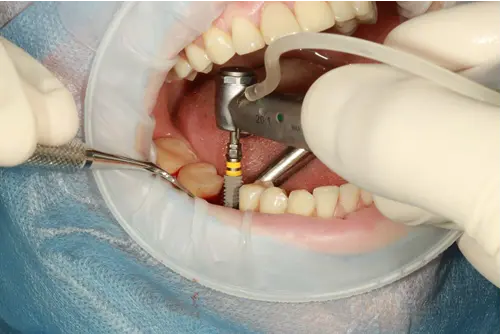
Checklist for Post-Dental Implant Care: Ensuring Long-Term Success
A dental implant can change the way you smile and eat. It can bring back comfort and help you feel more at ease each day. But the work does not end after the procedure. The days and weeks after are just as important. Good care helps the implant heal well and last for many years. If you want to protect your new smile, keep reading and learn how to care for it the right way.
The First Hours After the Procedure
Right after the procedure, your mouth needs rest. You may feel some pain or swelling. This is normal and should go down with time. Use a cold pack on your cheek to help reduce swelling. Try not to touch the area with your tongue or fingers. Keep your head raised when you lie down. This can help control bleeding and support healing.
Managing Pain and Swelling
Pain can be managed with the medicine your dentist gives you. Take it as directed and do not skip doses. Swelling may last for a few days. Cold packs can help during the first day, while warm packs may help after that. Avoid hard work or heavy lifting, as this can make swelling worse. Rest is key during this time.
Eating Soft and Safe Foods
Your mouth needs gentle care when it comes to food. Choose soft foods like soup, yogurt, and mashed items. Avoid hot, spicy, or crunchy food at first. These can hurt the area and slow healing. Drink plenty of water to stay hydrated. Chew on the other side of your mouth if needed. This helps protect the implant site.
Keeping Your Mouth Clean
Good hygiene is very important after an implant. Brush your teeth gently, but avoid the implant area at first. You can rinse your mouth with a mild saltwater mix after the first day. This helps keep the area clean and reduces the risk of infection. Do not use strong mouthwash unless your dentist says it is okay.
Avoiding Harmful Habits
Some habits can harm your healing process. Do not smoke or drink alcohol while your mouth is healing. These can slow recovery and increase the risk of problems. Avoid using straws, as the suction can disturb the implant area. Try to stay calm and avoid stress, as your body heals better when you are relaxed.
Watching for Warning Signs
It is important to know when something is not right. If you feel strong pain, heavy bleeding, or notice a bad smell, contact your dentist. These may be signs of infection or other issues. It is better to act early and get help. When needed, make your appointment as soon as possible to keep your recovery on track.
Building Long-Term Care Habits
After the first few weeks, your implant will feel more stable. But care should continue. Brush and floss daily to keep your mouth clean. Visit your dentist for regular check-ups. These visits help make sure your implant stays in good shape. Long-term care is the key to lasting success.
Protect Your Smile for Years to Come
A dental implant is an investment in your health and confidence. With the right care, it can serve you well for many years. Stay mindful of your habits and follow your dentist’s advice. When you take care of your smile, it will continue to shine bright and strong each day.
For more on this content, visit the rest of our blog!
Description: Ensure implant success with a care checklist covering oral hygiene, regular checkups, and lifestyle habits that promote healing and durability.
Also Read