
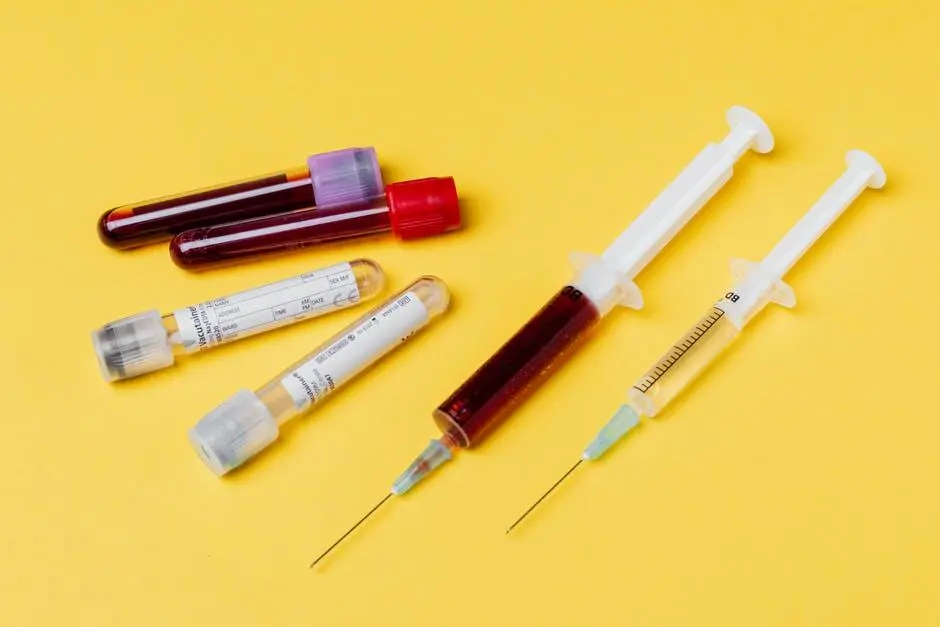
Get Certified in Bloodborne Pathogens
Working in a healthcare setting, or any job that comes into contact with body fluids, comes with significant responsibilities. One of the essential training procedures is getting certified in bloodborne pathogens.
This certification ensures workers know how to handle situations safely. It reduces risks linked to blood and other possibly infectious materials.
Understanding bloodborne pathogens, the importance of certification, and the ease of obtaining your certification can make the whole process much less stressful.
What Are Bloodborne Pathogens?
Bloodborne pathogens are microorganisms found in human blood that can cause diseases. Common bloodborne pathogens include hepatitis B, hepatitis C, and HIV. Pathogens can enter the body through cuts, wounds, or mucous membranes. So, safety training is vital for anyone facing these risks.
Why Is Certification Important?
Certification in bloodborne pathogens is vital for various reasons. It provides crucial knowledge on how to protect oneself and others from these harmful microorganisms. Workers learn proper hygiene, safe needle handling, and how to use personal protective equipment.
Knowing how to handle spills, accidents, or contact with blood is also essential. Without proper training, people might not respond well in these situations. This can cause serious health risks. By becoming certified, you not only safeguard your well-being but also contribute to the overall safety of your workplace.
Benefits of Certification
Gaining a bloodborne pathogens certification offers numerous benefits. For one, it enhances your job qualifications. Many employers require this certification for jobs in healthcare, education, and other fields.
This is especially true where there is contact with blood and bodily fluids. Having this certification can make you a more attractive job candidate.
Obtaining certification boosts your confidence in handling potentially dangerous situations. The training offers useful knowledge and skills for handling emergencies. You will know how to react quickly and effectively, making you a valuable asset to your team.
If you’re ready to take the next step in your career or workplace safety, visit https://cprcertificationnow.com/products/bloodborne-pathogens-certification today and start your journey towards certification.
How to Get Certified
Getting certified in bloodborne pathogens is simpler than you think. Online training programs make it even easier.
Many organizations provide easy-to-access courses from home or work. These courses include video lectures, quizzes, and practical exercises. This helps ensure a solid understanding.
Before enrolling, look for courses that are approved and recognized by relevant health authorities. Certification programs should have a clear curriculum.
It must cover key areas like pathogen transmission, prevention, and response protocols. Choose a program that fits your learning style and schedule to make the experience less stressful.
Making It Less Stressful
Approaching certification can sometimes be overwhelming, especially if it’s your first time dealing with such topics. Keep your resources in one place to help reduce anxiety when preparing for the training.
Don’t overwhelm yourself with long study sessions. Short, focused periods of learning can help retain information better.
Don’t hesitate to reach out for help if you’re uncertain about the course material. Interacting with instructors or peers can clarify doubts and enhance learning.
Start Your Journey Today!
Getting certified in bloodborne pathogens is simple and essential for anyone exposed to blood in their work. Understanding how to protect yourself and others is a critical part of ensuring a safe working environment. With the right training, the process can be less stressful and even empowering.
If you enjoyed this article and would like to read more like it, please check out the rest of our blog today.
Also Read-Technical SEO Audit Checklist for Service Businesses