How Proper Tree Maintenance Enhances Your Property Value
Healthy trees can make a property look more attractive, comfortable, and complete. They add shade, color, privacy, and structure to a yard while helping the home feel more connected to the landscape.
Trees can also affect how buyers view a property. A yard with healthy, well-shaped trees may feel better cared for than one with damaged limbs, heavy overgrowth, or dying trees.
Good tree maintenance does not always require major work. Regular checks, proper pruning, watering, and early treatment of problems can help trees stay healthy for many years.
By taking care of trees as part of normal home maintenance, homeowners can protect both the landscape and the value of the property. Continue reading to discover everything you need to know!
Keep Trees Healthy With Regular Inspections
Regular inspections are one of the easiest ways to protect trees. Walk around the yard several times a year and look at the trunk, branches, leaves, and soil around each tree. Watch for cracks, dead limbs, unusual leaning, holes, or areas where bark is missing.
Leaves can also give clues. Early leaf loss, unusual color, or thin growth may point to a health problem. Finding issues early gives homeowners more time to respond.
If a tree looks weak or unsafe, a trained tree professional can provide a closer review. Simple checks throughout the year can prevent small problems from becoming larger and more costly.
Prune Trees to Improve Shape and Health
Pruning helps remove dead, damaged, or crowded branches. It can also improve the shape of the tree and help more light and air reach the canopy. Proper pruning may reduce the chance of weak branches breaking during storms.
However, removing too much at once can stress a tree. It is important to prune based on the tree type, age, and condition. Young trees may need light shaping, while older trees may need careful removal of damaged limbs.
Large branches should usually be handled by someone with the right tools and training. Good pruning supports both safety and appearance.
Remove Trees When They Become Unsafe
Not every tree can or should be saved. A tree may become unsafe because of severe disease, storm damage, root failure, or major structural problems. In these cases, removal may protect the home and surrounding landscape.
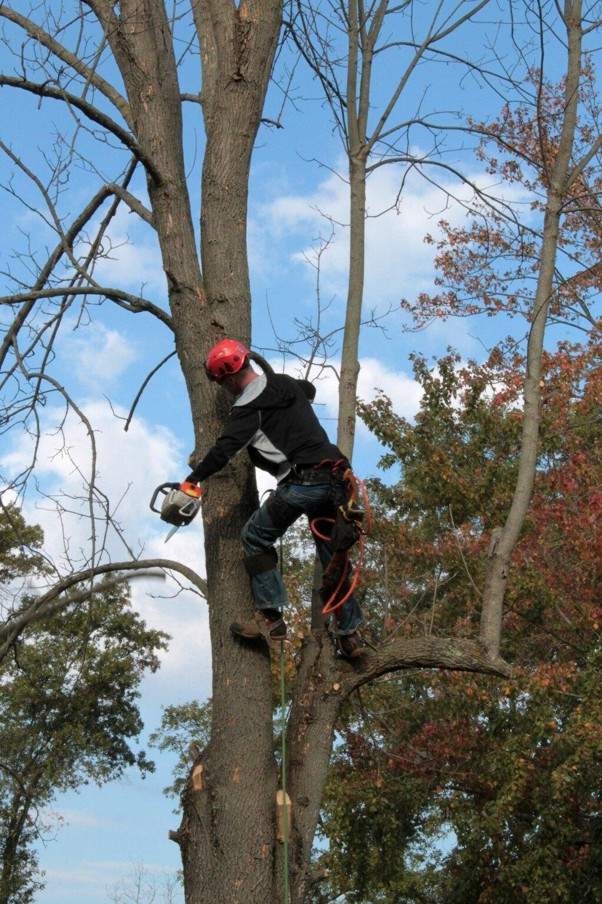
Homeowners dealing with a serious tree problem may need professional tree removal in Marietta when a tree cannot be safely managed through pruning or other care. Removal should usually be a last step, not the first response to every problem.
A qualified professional can help explain whether the tree is truly unsafe and what options are available. Removing a dangerous tree can prevent larger property damage later.
Remove Dead or Dangerous Branches
Dead branches can become a safety problem. Strong wind, heavy rain, or ice may cause them to fall without warning. Branches hangingover walkways, roofs, driveways, or power lines deserve extra attention.
Removing dangerous limbs can protect people, vehicles, and parts of the home. It can also improve the tree’s overall appearance. Do not try to cut large or high branches without proper equipment.
Professional help is often the safer choice when work involves climbing, heavy limbs, or nearby structures. Keeping dead wood under control helps the property look cleaner while reducing avoidable risks.
Water Trees During Dry Periods
Trees need water, especially during long dry periods. Young trees usually need more regular watering because their root systems are still developing. Older trees may handle short dry spells better, but long periods without rain can still cause stress.
Deep watering is often better than giving the soil a small amount of water every day. The goal is to help moisture reach the root area without leaving the soil soaked for too long. Overwatering can also cause problems.
Check the soil before adding more water. A steady watering routine can help trees stay strong during hot weather and support healthy growth.
Use Mulch the Right Way
Mulch can help protect tree roots and hold moisture in the soil. It can also reduce weeds and keep lawn equipment away from the trunk.
Spread mulch in a wide circle around the tree rather than piling it against the bark. A thick mound of mulch around the trunk can hold too much moisture and create problems. Leave some space around the base of the tree.
Organic mulch, such as wood chips, can slowly break down and improve the soil. Used correctly, mulch can make tree care easier while giving planting areas a cleaner and more finished look.
Protect Tree Roots From Damage
Healthy roots are essential for a strong tree. Construction, digging, heavy vehicles, and repeated foot traffic can damage roots or pack the soil too tightly. This can make it harder for roots to get air and water.
Avoid storing heavy materials under large trees during home projects. If you plan to build a patio, driveway, fence, or addition near a mature tree, think about the root zone before work begins.
Protecting roots can help preserve a tree that may take decades to replace. Strong root systems also help trees remain stable during storms and periods of bad weather.
Watch for Signs of Pests
Insects can damage leaves, bark, wood, and roots. A few insects may not cause serious harm, but a large problem can weaken a tree. Look for unusual holes, sticky material, sawdust-like debris, curled leaves, or large groups of insects.
Some pests attack only certain tree species. Others spread from one tree to another. If you notice something unusual, try to identify the problem before using any treatment.
Using the wrong product may waste money or harm helpful insects. A tree care professional can help determine whether treatment is needed and which approach makes sense.
Check for Tree Diseases
Tree diseases can also affect property appearance and safety. Common signs may include leaf spots, unusual growths, dying branches, or areas of damaged bark. Some diseases spread through wet conditions, poor airflow, or infected plant material.
Early action may help limit the damage. Keeping trees healthy through proper watering, pruning, and soil care can also make them better able to handle stress. Avoid guessing about disease based on one symptom.
Different problems can look similar. If several branches begin dying or a tree changes quickly, professional advice can help identify the cause and next steps.
Keep Trees Away From the Roof
Branches that touch or hang over the roof can create problems. They may scrape shingles, clog gutters, or drop leaves and debris onto the house. Storms can also cause heavy limbs to fall onto the roof.
Keeping a safe distance between branches and the home may reduce these risks. It can also allow more air and sunlight to reach parts of the roof. Do not remove large branches without considering how the cut may affect the tree.
Careful trimming can protect both the house and the health of the tree. This is especially important for large trees growing close to the home.
Improve Curb Appeal With Well-Shaped Trees
Trees can frame a home and make the front yard look more inviting. Healthy trees with balanced shapes can add height, shade, and visual interest. Poorly maintained trees may have the opposite effect.
Dead limbs, heavy overgrowth, or uneven growth can make the property look neglected. Pruning and basic care can help trees fit better with the rest of the landscape.
Homeowners should also think about how trees work with lawns, flower beds, walkways, and the home itself. A neat landscape often makes a stronger first impression on guests and potential buyers.
Choose the Right Trees for the Property
Good tree care begins with choosing suitable trees. A species that grows well in the local climate will usually be easier to maintain. Think about mature height and width before planting.
A small young tree may become much larger than expected after several years. Avoid planting large trees too close to homes, sidewalks, utility lines, or driveways. Also consider sunlight, soil, and water needs.
The right tree in the right place can provide value for decades. Poor placement may lead to frequent trimming, root problems, or the need for removal later. Planning ahead can prevent many future problems.
Plan for Storm Season
Storms can place heavy stress on trees. Strong wind and rain may break weak branches or cause unstable trees to fall. Before storm season, check for dead limbs, splits, and areas of heavy growth.
Trees with poor structure may need careful pruning. Do not wait until a major storm is already on the way. Emergency tree work can be harder and more expensive than planned maintenance.
After a storm, inspect the yard again. Look for hanging branches, fresh cracks, or trees that have started leaning. Quick action after severe weather can help keep the property safe and prevent extra damage.
Protect Trees During Construction
Home improvement projects can damage nearby trees even when the trunk is never touched. Heavy machines can press down soil around the roots. Digging for pipes, walls, or driveways may cut important roots.
Construction materials may also change drainage around the tree. Before work begins, mark areas that should remain protected. Ask contractors to avoid driving or storing equipment near valuable mature trees.
If major work will happen close to a tree, getting advice before construction may help prevent damage. Protecting existing trees can be less expensive than replacing mature landscaping after the project is finished.
Keep Soil in Good Condition
Trees depend on healthy soil for water, air, and nutrients. Very hard or poor soil can limit root growth. Avoid adding large amounts of fertilizer without knowing whether it is needed.
Too much fertilizer can harm roots or cause weak growth. A soil test can provide better information about what the area needs. Adding organic material or improving drainage may sometimes help.
Do not change the soil level around a mature tree by adding deep layers of dirt. This can affect the roots and trunk.
Maintain Clear Sight Lines
Overgrown branches can block views around driveways, sidewalks, and roads. This may create safety problems for drivers, cyclists, and people walking nearby. Trim lower branches when they block important sight lines, but avoid removing too much from the tree at once.
The goal is to improve visibility while keeping the tree balanced. Clear views can also make the front yard feel more open.
For homes that may be listed for sale, this can help buyers see the property more clearly from the street. Safe and neat tree growth supports both function and curb appeal.
Keep Records of Major Tree Work
Keeping simple records can help with long-term tree care. Write down when major pruning, treatment, planting, or removal takes place. You can also save photos of important trees over time.
These records may help you notice changes in growth or condition. They can also be useful when working with a new tree service. Instead of trying to remember past work, you can show what was done and when.
For large properties with many trees, a basic maintenance list can make planning easier. Good records can reduce repeated work and help homeowners stay ahead of future needs.
Make Tree Care Part of Overall Landscaping
Trees should not be managed as separate parts of the yard. They affect lawns, gardens, patios, drainage, shade, and views. For example, a large shade tree may change which plants will grow below it.
Tree roots may also affect where paths or garden beds can be placed. Think about the whole landscape when making changes. A balanced yard should have enough open space for trees to grow without crowding other features.
When tree care and landscaping work together, the property often looks more natural and organized. This can improve both daily use and long-term appearance.
Protect Property Value With Long-Term Tree Care
Proper tree maintenance is an important part of protecting a home and its landscape. Healthy trees can improve curb appeal, provide shade, create privacy, and make outdoor spaces more pleasant. Regular inspections, careful pruning, proper watering, root protection, and early treatment of problems can all help trees stay strong.
It is also important to know when a tree has become unsafe and needs professional attention. Homeowners do not need to handle every task at once. A steady maintenance plan is often the best approach.
By caring for trees throughout the year, homeowners can reduce risks, improve the look of the property, and protect landscaping that may have taken many years to grow. Well-maintained trees are more than decoration. They are part of the home’s long-term condition, comfort, and value.
Check out the rest of our site for more!
Read more: https://applebemenu.com/how-dental-crowns-improve-oral-health-and-aesthetics/
https://applebemenu.com/from-brushing-to-flossing-how-to-properly-care-for-your-teeth/
https://applebemenu.com/how-to-maintain-carpet-longevity-in-your-home/