
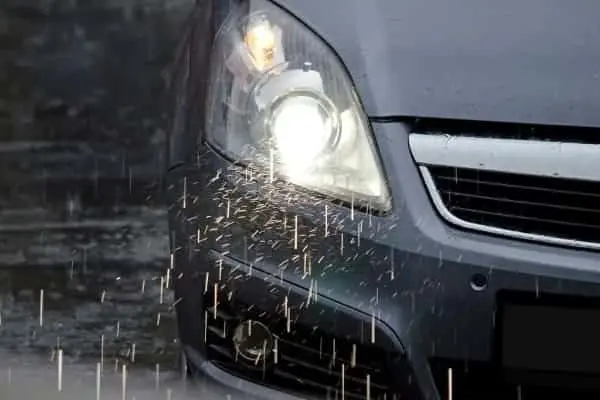
How Weather Related Accidents Impact Injury Claims In New York
Winter storms, heavy rain, and black ice do more than slow traffic. They change how your injury claim works in New York. When weather plays a part in a crash, insurance companies often rush to blame the storm instead of the driver. This can shrink or even erase your claim. You need to know when weather is truly at fault and when a careless driver or property owner used the weather as an excuse. New York’s negligence rules, notice rules, and no fault benefits all work differently when roads are wet, slick, or covered in snow. You also face strict deadlines and harsh questions about your own choices. This guide explains how weather related accidents affect fault, evidence, and settlement value. It also shows how records, photos, and early legal help from 24injurylaw.com can protect your rights after a storm.
How New York Views Weather And Fault
Weather does not give drivers or property owners a free pass. The law expects people to adjust to conditions. That means you must drive slower, leave more space, and clear snow and ice in a fair time.
In New York, fault usually depends on three questions.
- Did someone act with care for others on the road or property
- Did weather make the risk higher and more obvious
- Could a reasonable person have done more to prevent harm
For car crashes, New York uses no fault rules for basic medical bills. You still can bring a claim against a careless driver if you suffer a serious injury. Weather can shape how insurers and courts see that driver’s choices.
Common Weather Related Accident Types
Different weather problems create different legal questions. You may face one or more of these events.
- Snow and ice crashes. Drivers slide through lights or stop signs. They follow too close on slick roads.
- Black ice spinouts. Cars lose control on bridges, ramps, and shaded spots.
- Heavy rain and flooding. Drivers hydroplane or plow through standing water at unsafe speeds.
- Fog and low visibility. Drivers fail to use lights or keep safe distance.
- Snow and ice falls. Walkers slip on uncleared sidewalks, steps, or parking lots.
In each situation, the key issue is simple. Did someone ignore a clear risk that weather made stronger
How Insurance Companies Use Weather Against You
Insurance adjusters often try to turn a weather event into a shield. You may hear lines that sound mild but carry real danger for your claim.
- “No one could have stopped on that ice.”
- “The storm hit without warning.”
- “The property owner did the best they could.”
- “You knew the weather was bad and chose to go out.”
These claims aim to cut fault or shift blame onto you. New York follows pure comparative negligence. Your compensation drops by your share of fault. If an insurer convinces a fact finder that you were 40 percent at fault for driving in a blizzard, your payment can fall by 40 percent.
You can push back with strong evidence and clear timelines. That proof shows that weather was a factor but not the full cause.
Key Evidence After A Weather Related Accident
Weather accidents fade fast. Snow melts. Ice breaks apart. Tire tracks wash away. You need to lock down proof early.
Try to collect these items if it is safe.
- Photos of the scene from many angles
- Close photos of ice, snow piles, puddles, or slush
- Photos of cars, skid marks, and damaged property
- Names and contact details of witnesses
- Weather reports and alerts for the time of the crash
- Any 911, police, or incident reports
You can later support your claim with public data. For example, the National Weather Service keeps past weather records that can show snow totals, temperatures, and warnings in your area on the date of your accident.
Property Owners And Snow Or Ice Claims
New York property owners must keep walkways reasonably safe. They get a short “grace period” during an active storm. After that, they must clear snow and treat ice in a fair time.
Responsibility can fall on different people.
- Homeowners
- Landlords
- Business owners
- Snow removal contractors
- Municipalities in some sidewalk cases
The hard issue is notice. You must usually show the owner knew or should have known about the hazard and had a fair chance to fix it. Video, past complaints, and patterns of poor upkeep can help prove that.
How Weather Can Change Claim Value
Weather can cut or raise the value of a claim. It depends on the facts.
| Weather factor | Possible effect on fault | Possible effect on claim value |
|---|---|---|
| Black ice with no warning signs | May increase fault of driver who speeds or follows close | Can increase value if injuries are severe and fault is clear |
| Active heavy snowstorm | May reduce fault of property owner during short grace period | Can lower value if owner had little time to clear snow |
| Ignored weather alerts | May raise fault of driver who drives fast despite warnings | Can increase value if their conduct seems reckless |
| Mixed fault driving choices | May place some fault on injured person for unsafe speed | Reduces payout due to comparative negligence |
Insurance companies study these details. They may use weather to suggest your pain came from a “freak event” rather than a human choice. Careful records and expert review answer that claim.
Deadlines And Special Notice Rules
Accident claims in New York face strict time limits. Missing a deadline can erase your rights.
- Car accidents. You must file a no fault application within 30 days in most cases.
- Personal injury lawsuits. You usually have three years from the date of the accident.
- Claims against a city or public agency. You may need a Notice of Claim within 90 days and then a shorter deadline to sue.
You can confirm basic time limits and court paths on the New York State Unified Court System site. You still need tailored legal guidance for your facts and location.
Steps You Can Take After A Weather Accident
You cannot control the weather. You can control your response after an accident. Three steps matter most.
- Get medical care right away. Tell providers about every ache and limit.
- Document the scene and your symptoms. Use photos and a simple pain journal.
- Speak with an injury lawyer early. Do not give detailed statements to insurers first.
These steps protect both your health and your legal claim. They also give you a sense of control at a time that can feel chaotic.
Conclusion
Weather can shape how your New York injury claim unfolds. It does not erase your rights. When a driver, property owner, or other party ignores clear weather risks, the law still holds that person responsible. Careful proof and quick action can close the gap between what really happened and what an insurer wants others to believe.
Also Read-Life Happens: How to Borrow Money Responsibly When Unexpected Expenses Strike