What To Do Immediately After A Car Accident
A car crash shakes your body and your mind. You might feel fear, anger, or numb silence. You still need to act fast. Your choices in the first minutes protect your health, your money, and your legal rights. This guide walks you through what to do on the road, at the scene, and right after you go home. You learn how to check for injuries, call for help, and speak with police. You see what to say and what to avoid. You also see how to collect photos, witness names, and key details before they disappear. Finally, you learn when to contact your insurance and when to reach out to a law firm like chrishartlaw. You cannot control the crash. You can control what you do next.
Step 1: Get to safety and prevent more harm
First, look for danger. You protect yourself, your family, and others.
- Turn on your hazard lights.
- If your car moves, pull to the side of the road or a safe spot.
- If your car does not move, stay inside with your seat belt on until it is safe to get out.
- If you smell smoke or see fire, move away from the car.
Then check on passengers and people in the other car. Speak in a calm voice. Ask simple questions. “Are you hurt?” “Can you move?”
Step 2: Call 911
Next, call 911. Do this even if you think the crash is small. Police reports and medical checks protect you later. When you call, give:
- Your location and nearby signs or exits.
- How many cars and people are involved.
- Any clear injuries you see.
Stay on the line until the dispatcher says you can hang up. Then wait for police and medical staff. Do not leave the scene unless you need emergency care.
You can read more about safe steps after a crash from the National Highway Traffic Safety Administration.
Step 3: Check for injuries and accept medical help
Crash injuries hide under shock. You might feel fine in the moment. Pain often shows up later. You should:
- Check yourself for bleeding, swelling, or trouble moving.
- Check children and older adults with extra care.
- Tell paramedics about any pain, confusion, or dizziness.
If paramedics suggest a ride to the hospital, take it. If you refuse, schedule a medical visit the same day or the next morning. A record from a doctor protects your health and your claim.
Step 4: What to say and what not to say
Your words right after a crash matter. Stress pushes you to talk. You need to control what you say.
Share this:
- Your name and contact information.
- Your insurance company and policy number.
- Basic facts for police about what happened.
Do not share this:
- Do not say “I am sorry” or “It was my fault.”
- Do not guess about your speed or distance.
- Do not argue at the scene.
Simply tell what you saw and heard. Let police place blame in their report. That report may change after review.
Step 5: Collect key evidence at the scene
While you wait for police, collect proof. Your phone is your best tool.
- Take photos of all cars from many angles.
- Take close photos of damage, skid marks, glass, and road signs.
- Photograph the whole scene, including weather and traffic.
- Take photos of any cuts, bruises, or swelling on your body.
Then gather contact details:
- Driver names, phone numbers, and addresses.
- License plate numbers and driver license numbers.
- Insurance company names and policy numbers.
- Witness names and phone numbers.
Step 6: Compare minor and serious crashes
Every crash is stressful. Yet your steps change a bit based on how severe it is. Use this table as a guide. When in doubt, treat the crash as serious.
| Type of crash | Common signs | Must do right away | Extra smart steps |
|---|---|---|---|
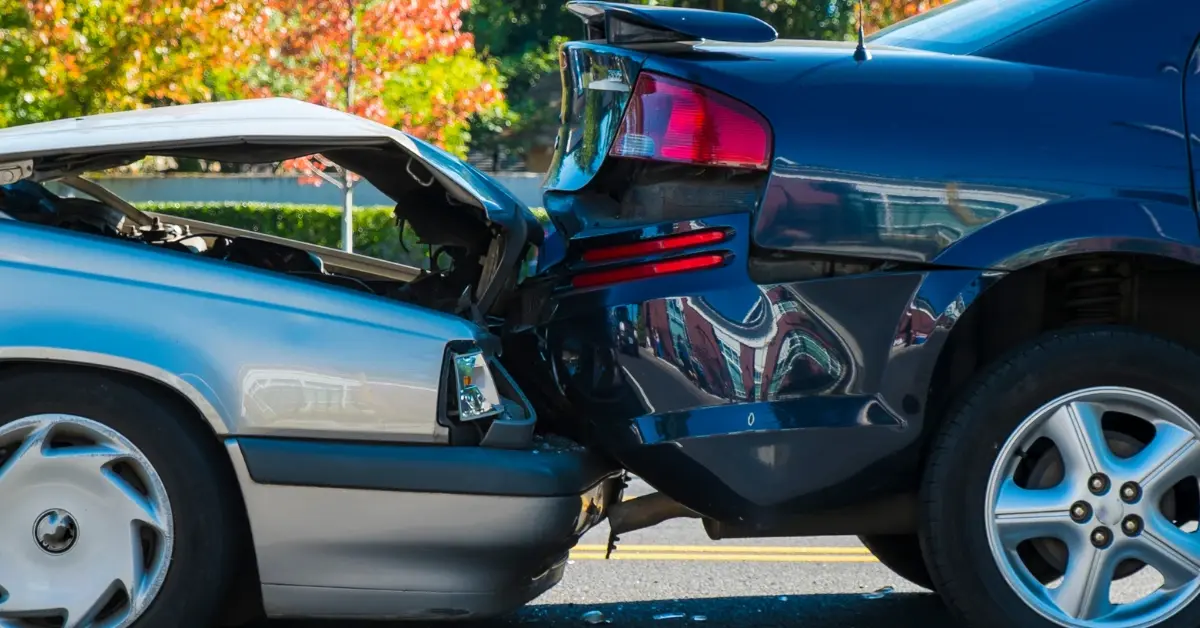
| Minor fender bender | Low speed. Small damage. No clear injuries. | Move to safe spot. Call police if required by state law. Exchange information. Take photos. | See a doctor within 24 hours. Call your insurance the same day. |
| Moderate crash | Visible damage. Airbags may deploy. Soreness or mild pain. | Call 911. Wait for police and paramedics. Get a medical exam. | Ask for a copy of the police report. Talk with a lawyer before giving a recorded statement. |
| Severe crash | Heavy damage. People trapped or bleeding. Cars cannot move. | Call 911 at once. Do not move injured people unless there is fire or other threat. | Contact a trusted lawyer and your insurer as soon as you are stable. |
Step 7: Talk with police and get the report
When officers arrive, stay calm and respectful. Answer questions with clear, short facts. If you do not know something, say “I am not sure.” Do not guess.
Before you leave, ask how to get a copy of the police report. In many states you can request it online. Keep the report number in a safe place.
The NHTSA Crash Stats site shows how common crashes are and why reports matter for safety and claims.
Step 8: Call your insurance company
As soon as you are safe and calm, call your insurer. Most policies require fast notice. When you call, you should:
- Share the date, time, and place of the crash.
- Give the other driver’s insurance details.
- Describe damage and any injuries.
If the other driver’s insurer calls, be polite. Keep your answers short. You can say you want to speak with a lawyer before any recorded statement.
Step 9: Protect your rights and your family
After the first day, you still have work to do. You protect your health and your claim when you:
- Follow all medical advice and keep every appointment.
- Save bills, receipts, and repair estimates.
- Keep a simple journal of pain, sleep trouble, and missed work.
If your injuries affect work, school, or family care, think about legal help. A steady guide can explain your options, deal with insurers, and help you avoid mistakes that cost money or time.
You did not choose the crash. You can choose steady, clear steps after it. With quick action, careful records, and the right support, you protect your body, your family, and your future.