
Inherited Properties: How to Move Forward with a Quick Home Sale
Understanding the Emotional and Financial Implications
Inheriting real estate often comes at a challenging time, as it combines the weight of loss with the responsibility of making new financial decisions. For many, a home left behind by a loved one holds years of memories and sentimental value. However, the practical realities—property taxes, ongoing maintenance, and insurance—can quickly add stress. Finding a way forward requires an honest assessment of both your personal feelings and financial situation. If you’re uncertain about your next steps, https://www.ateambuyshomes.com/ provides valuable resources for inherited property owners seeking guidance or a fast solution.
Statistics show that most heirs, according to recent Kiplinger reports, ultimately choose to sell due to the burden of repairs or upkeep. Carefully weighing your own capacity to take on these responsibilities helps avoid lingering uncertainty and financial strain in the months ahead.
Financial obligations aren’t limited to the monthly bills. In some cases, inherited properties may come with mortgage balances or liens, creating a sense of urgency around the decision to keep or sell. Whether you live nearby or out of state, swift action can prevent costly issues from compounding.
Assessing the Property’s Condition
Understanding the true state of the inherited home is a critical first step. Older properties, in particular, may have hidden repair needs, deferred maintenance, or even code violations that aren’t visible on the surface. Hiring a professional home inspector is a wise investment, as their assessment will provide a clear roadmap of necessary repairs, safety hazards, and other factors that could impact the sale price or buyer interest.
This knowledge is vital whether you plan to sell on the open market—which often demands repairs and cosmetic upgrades—or sell directly as-is to an investor or cash buyer. Homeowners who prefer a fast, straightforward sale can explore options through ateambuyshomes.com, a trusted resource for selling properties in any condition. An honest property assessment equips you with the facts to make informed decisions based on real numbers, rather than best guesses, and safeguards you from surprises during negotiations or escrow.
Navigating the Probate Process
Probate, the legal process for validating a will and transferring property to heirs, can be a significant hurdle in selling an inherited home. In many states, probate can take anywhere from six months to a year, and costs usually range between 4% and 7% of the total estate value. Some states offer expedited or simplified probate for smaller estates, but paperwork and court filings can still be daunting for unprepared heirs.
Consulting with an experienced probate attorney can clarify whether a home qualifies for such procedures and what documentation is needed. They’ll help avoid delays or disputes and ensure that the transfer of ownership is recognized by local authorities and title companies, allowing you to proceed toward a sale without legal complications.
Exploring Selling Options
Listing on the Market
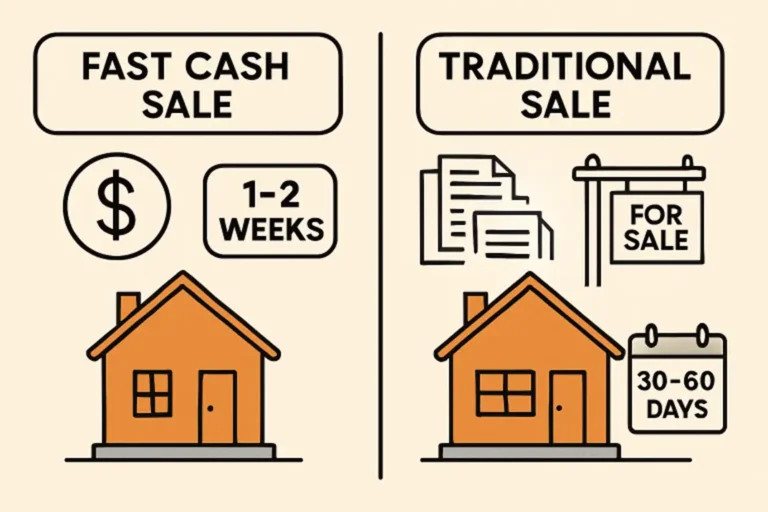
Selling the property through a realtor can fetch a premium price, particularly if the home is in good condition and the local market is strong. However, this route can often take several months and comes with agent commissions, required repairs, and staging costs. On average, homes may sit on the market for 60–120 days before closing, which may not align with the needs of heirs seeking an immediate resolution.
Selling to a Cash Buyer
Alternatively, selling directly to a cash buyer or investor offers speed and convenience. Sales often close in as little as 7–14 days, with no obligation for repairs, cleaning, or agent involvement. This method also minimizes the risk of the deal falling through due to financing issues or contingencies. According to a Martin Legacy Holdings case study, cash sales can also help families bypass internal disagreements and move on quickly after a loss.
Understanding Tax Implications
Inherited property comes with its own set of tax considerations. Most heirs benefit from the stepped-up basis, which adjusts the property’s value to its market rate at the time of inheritance, thereby mitigating capital gains taxes upon sale. However, those planning to sell should confirm their specific obligations, as certain states impose inheritance or estate taxes in addition to federal requirements. Discussing your situation with a licensed tax professional is the most effective way to avoid costly mistakes or penalties.
Enhancing Curb Appeal
Even minor curb appeal upgrades can enhance perceived value and increase buyer interest, whether you’re listing your home traditionally or selling it as-is. Tasks like trimming overgrown landscaping, painting the front door, and adding fresh mulch are typically inexpensive but create a welcoming first impression. According to a Fine Homes and Living article, these small changes can be the deciding factor for buyers who prioritize move-in-ready properties.
Managing Family Dynamics
Inherited properties, particularly those with multiple heirs, can easily become the source of family tension. Differences of opinion, communication breakdowns, or conflicts over sentimental or financial value are common. Setting a regular meeting schedule, keeping discussions transparent, and seeking mediation when necessary can help safeguard relationships and maintain progress. The ultimate goal is a solution that respects everyone’s wishes while ensuring timely decision-making, so that the process is neither rushed nor left to linger unresolved for months.
Seeking Professional Assistance
Successfully navigating an inherited property sale rarely happens in isolation. Enlisting the help of real estate agents, probate attorneys, and tax experts can streamline your journey and ensure no detail is overlooked. Their combined experience will help you comply with local laws, maximize the sale proceeds, and minimize stress—helping you honor your loved one’s legacy while moving forward on a firm footing.
The right support—from initial inspection through probate to sale—can turn a complex, emotional process into a manageable transition. With a clear plan and the right team, you can sell your inherited property quickly, equitably, and with confidence.
Also Read-Breathe New Life into Old Extensions: Your DIY Weekend Routine for Relaxed Straight Hair