Keeping Your Building Comfortable: What Every Property Owner Should Know About Cooling Systems
There’s a moment every summer when the temperature outside creeps past 95 degrees, and suddenly everyone in the office is glancing up at the vents, waiting for that familiar rush of cold air. When it doesn’t come, you know you’re in trouble. I’ve talked to enough building managers over the years to know that a cooling system failure isn’t just an inconvenience—it’s the kind of thing that can shut down productivity, spoil inventory, or make customers walk right back out the door.
That’s why understanding your options, whether you’re outfitting a brand-new space or dealing with an aging unit that’s seen better days, actually matters. It’s not the most thrilling topic at a dinner party, sure, but it’s one of those behind-the-scenes systems that quietly determines whether your day goes smoothly or turns into a nightmare of sweaty tenants and angry phone calls.
Why New Installations Deserve More Thought Than People Give Them
When people move into a new building or renovate an old one, the cooling system often gets treated as an afterthought—something to slot in after the walls are painted and the furniture arrives. That’s backwards, honestly. The size of the unit, the layout of the ductwork, and even the insulation quality of the building all play into how well a system performs.
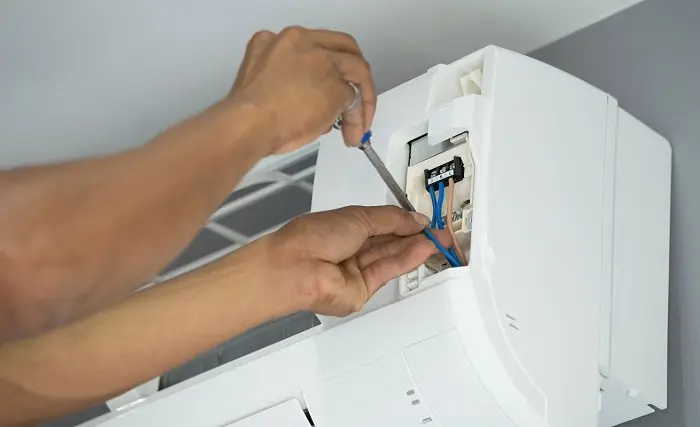
I remember hearing about a small retail shop that installed a unit sized for a space half its square footage. The result? Constant cycling, higher energy bills, and a system that wore out years before it should have. Getting air condition installation done right from the start saves you from headaches down the road—not just financially, but in terms of comfort and reliability too.
A proper installation considers airflow patterns, the number of people typically in the space, heat-generating equipment like ovens or servers, and even which direction the building faces. Sun exposure alone can shift cooling needs dramatically. None of this is rocket science, but it does require someone who actually knows what they’re doing rather than just slapping in whatever unit was cheapest at the supply store.
The Hidden Costs of Cutting Corners
Cheaper isn’t always cheaper in the long run. A poorly installed system might save you a few hundred dollars upfront, but you’ll pay for it in higher utility bills, more frequent breakdowns, and a shorter overall lifespan for the equipment. It’s a bit like buying shoes that don’t fit—sure, they were on sale, but you’ll be limping by week two.
When Businesses Face Bigger Cooling Challenges
Residential systems are one thing, but commercial spaces bring their own set of headaches. Office buildings, warehouses, restaurants, and retail stores all have different demands, and when something goes wrong, the stakes are usually higher. A restaurant kitchen without proper cooling isn’t just uncomfortable—it can mean spoiled food and lost revenue within hours.
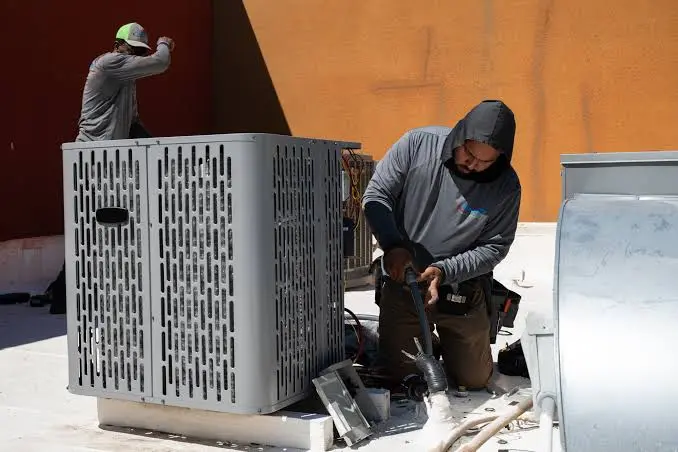
This is where finding reliable commerical hvac repair becomes less of a convenience and more of a necessity. Commercial systems tend to be more complex, often involving multiple units working together, rooftop equipment, and ductwork that snakes through ceilings most people never see. When something breaks, diagnosing the actual problem takes real expertise—not just swapping a filter and hoping for the best.
I’ve heard stories of business owners who tried to save money by hiring the first available handyman, only to end up with a bigger repair bill weeks later because the underlying issue was never actually fixed. It’s frustrating, and honestly, it happens more often than it should.
Signs Your Commercial System Needs Attention
There are a few tell-tale signs that something’s off. Strange noises—grinding, rattling, or a persistent hum that wasn’t there before—are usually the first clue. Uneven cooling, where one part of the building feels like a sauna while another feels like a walk-in fridge, is another red flag. And if your energy bills have crept up without any obvious explanation, that’s worth investigating too.
Ignoring these signs rarely makes them go away. If anything, small problems tend to snowball into expensive ones, especially with commercial-grade equipment that runs almost constantly.
Regular Maintenance: The Unsexy Hero of Comfort
Nobody gets excited about scheduling routine maintenance. It’s not glamorous, and it’s easy to push off when everything seems to be working fine. But that’s exactly the trap—systems that run without checkups tend to fail at the worst possible moments, usually during a heatwave when everyone else is calling for help too.
A simple seasonal check can catch worn belts, low refrigerant, or clogged coils before they turn into full breakdowns. It’s the equivalent of getting your car’s oil changed instead of waiting for the engine to seize up on the highway.
Wrapping It Up
At the end of the day, cooling systems aren’t something most people think about until they stop working. But a little foresight—whether that’s choosing the right setup from day one or staying on top of repairs before they escalate—can save a tremendous amount of stress, money, and discomfort. It’s not glamorous work, but it’s the kind that quietly keeps everything running the way it should.
FAQs
How long does a typical installation take for a new building?
It really depends on the size of the space and complexity of the ductwork, but most residential setups take one to three days, while larger commercial jobs can stretch to a week or more.
How often should commercial systems be serviced to avoid major repairs?
Most experts recommend at least twice a year—once before summer and once before winter—to catch small issues before they become expensive emergencies.
Is it worth repairing an older unit, or should I just replace it?
If the unit is under ten years old and the repair cost is reasonable, fixing it usually makes sense. Beyond that age, especially with recurring issues, replacement often saves money over time.
Also Read